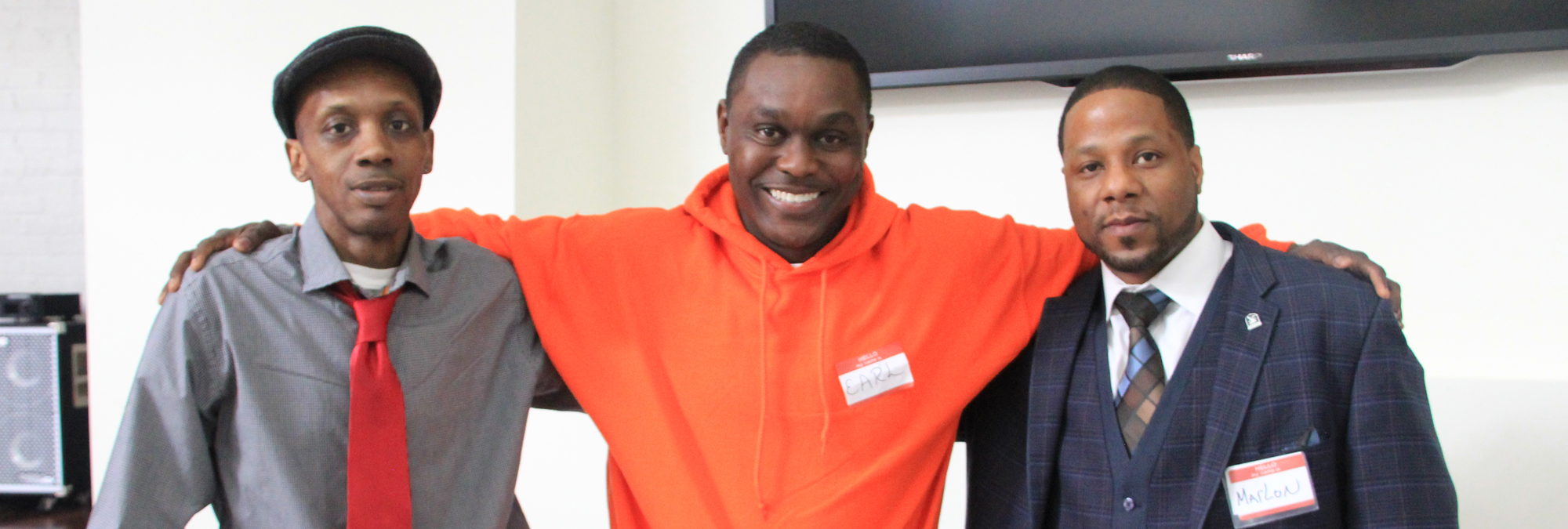
Demonstrating the positive impacts of higher education in prison

We Are EJP
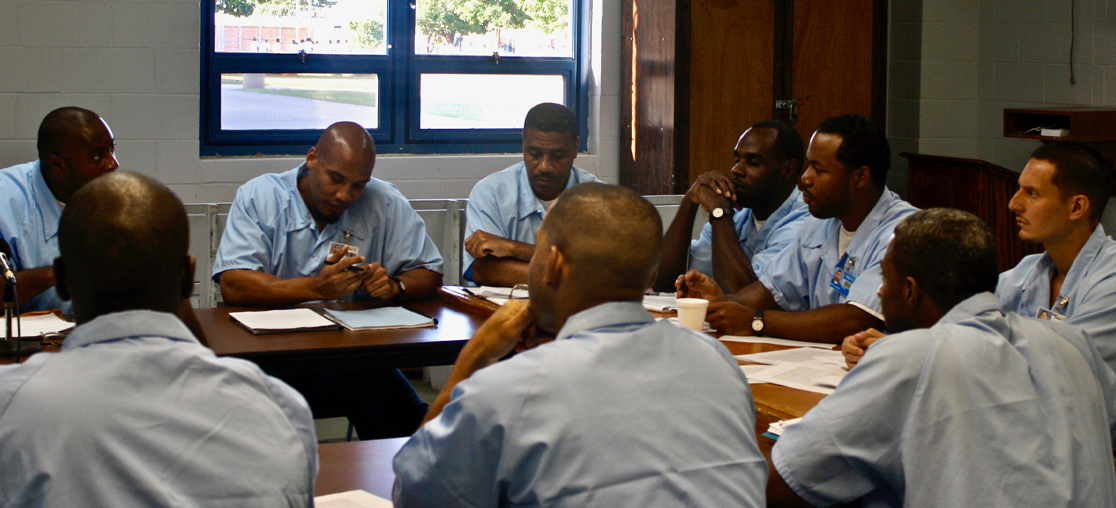
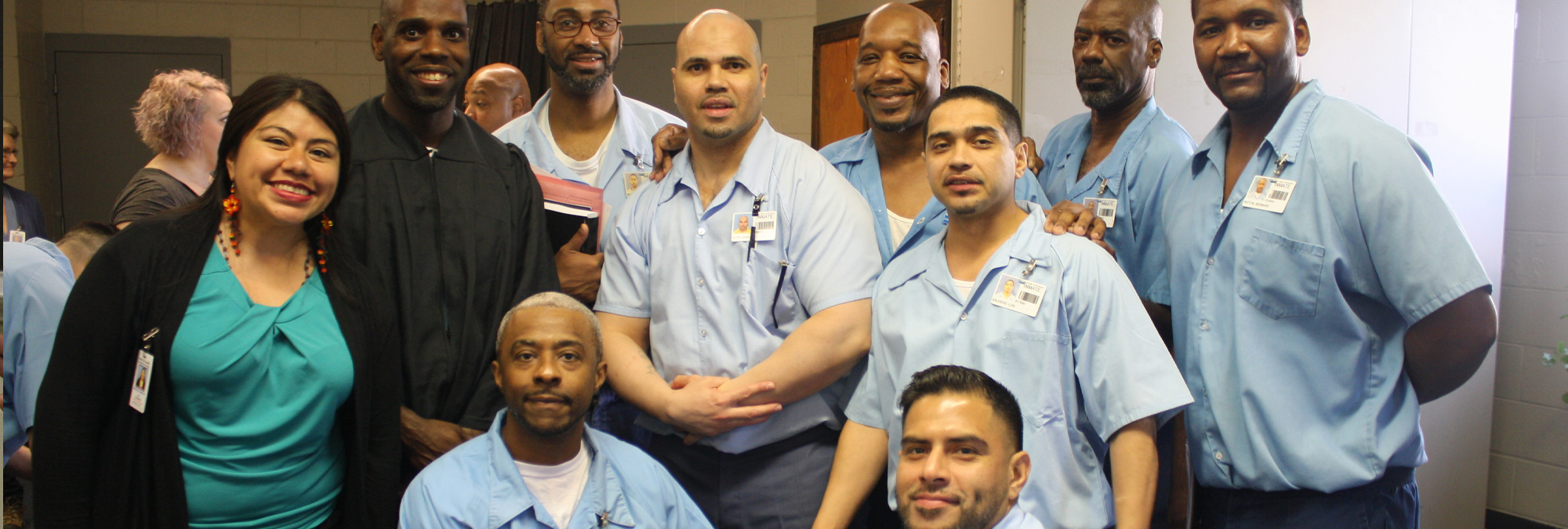
EJP is a vibrant community of incarcerated students, educators, formerly incarcerated individuals, and others who are committed to a more just and humane world. We believe that providing quality post-secondary education within prisons is an important step towards that vision.

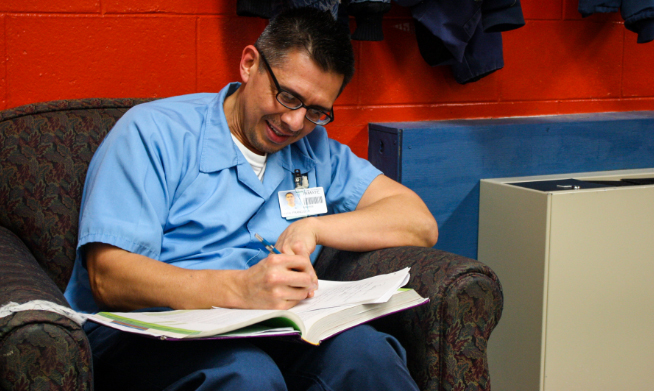
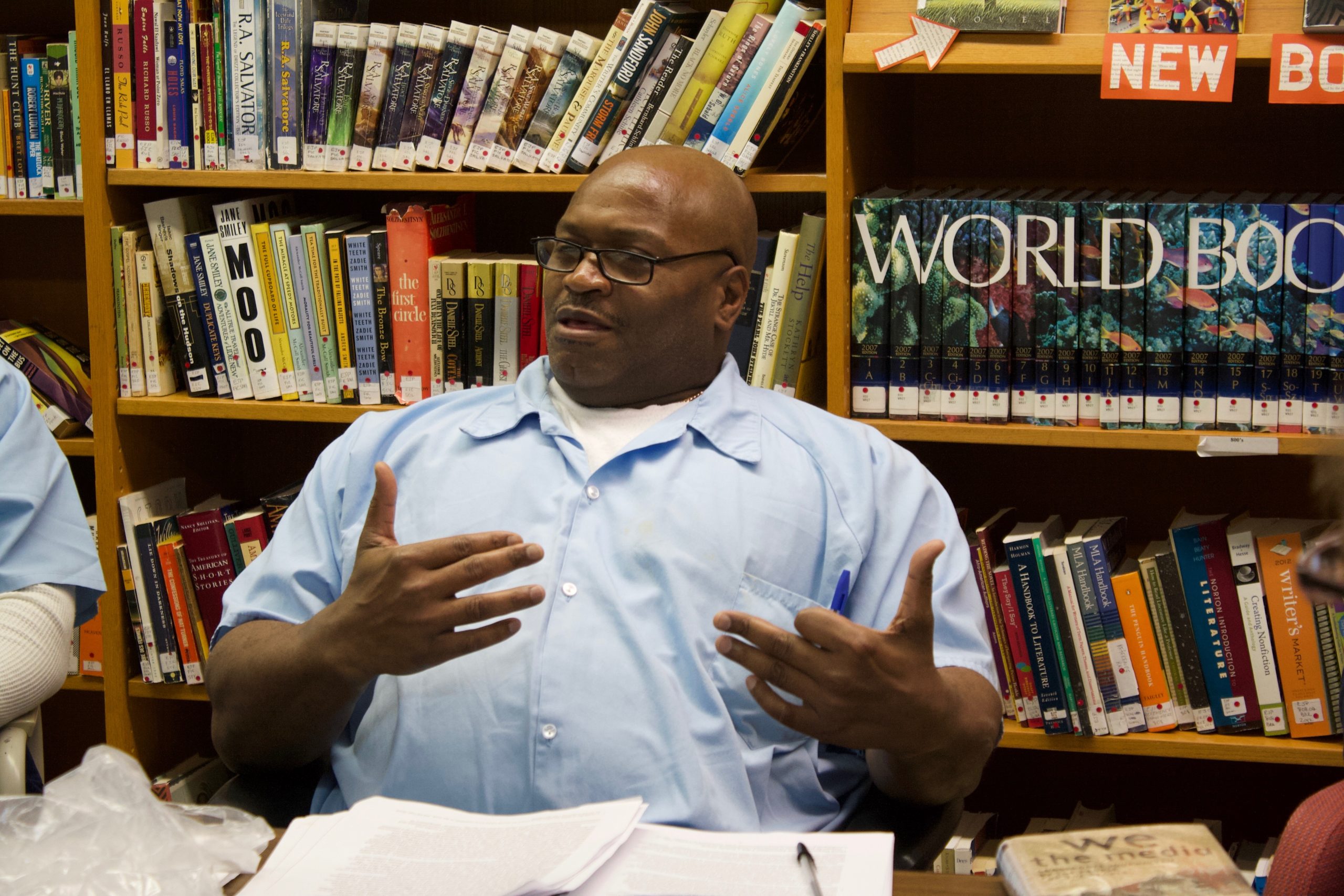
tells his story and explains how the educational opportunities provided by the University of Illinois impacted his time inside Danville Correctional Center and his life on the outside.
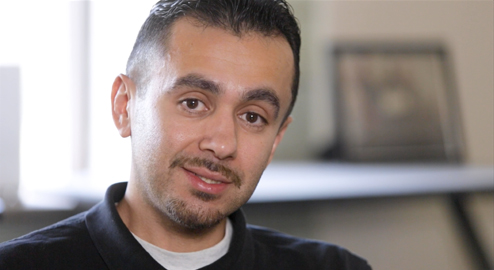
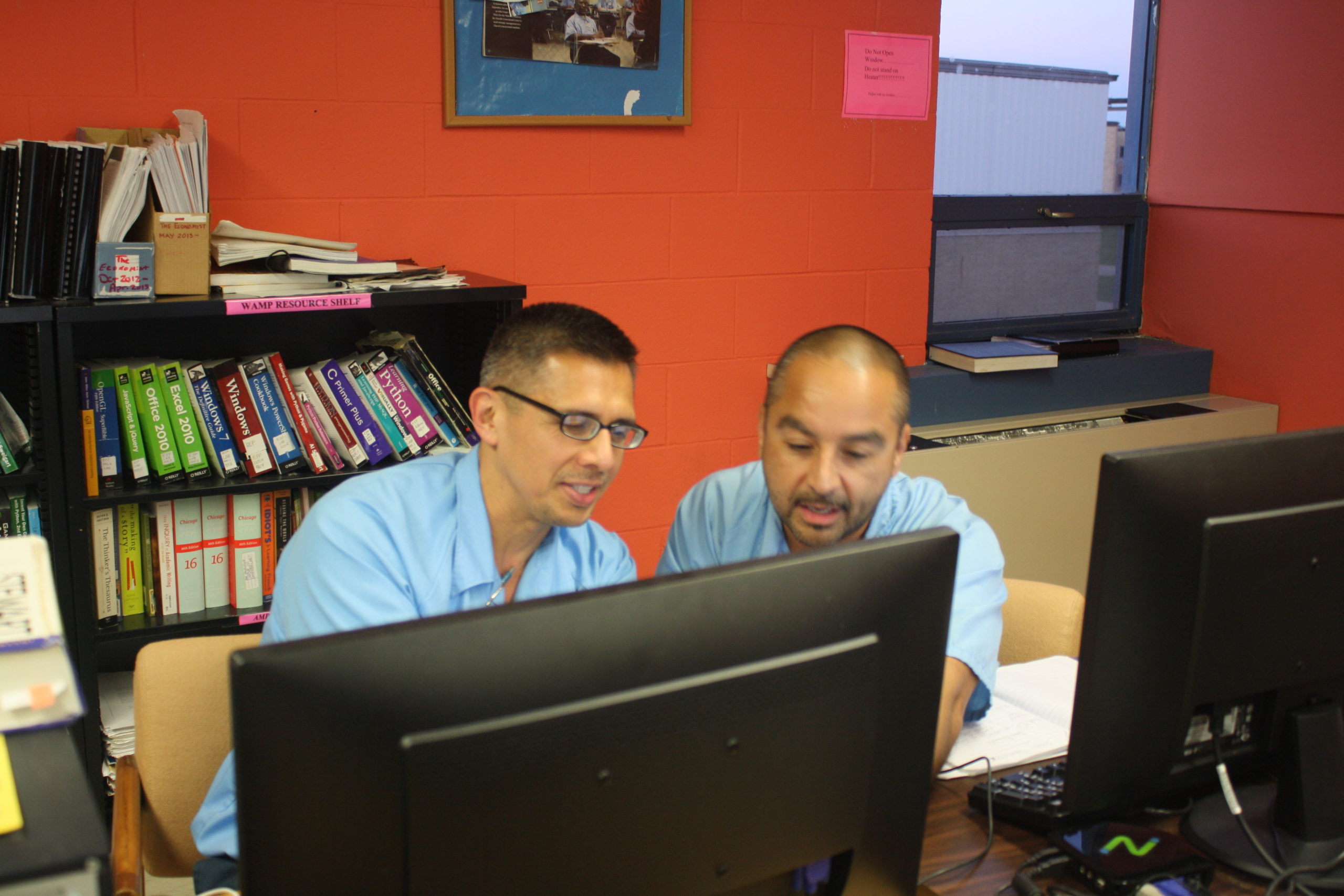
Through our Reentry Guide Initiative, EJP members produce reentry guides, distribute them throughout Illinois, and offer technical assistance to groups wishing to produce similar resources.
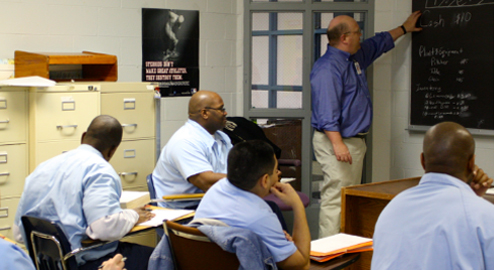 EJP Director Rebecca Ginsburg explains the role of policy in expanding access to quality higher education in Illinois prisons, reentry, and more.
What Is The
Education Justice Project?
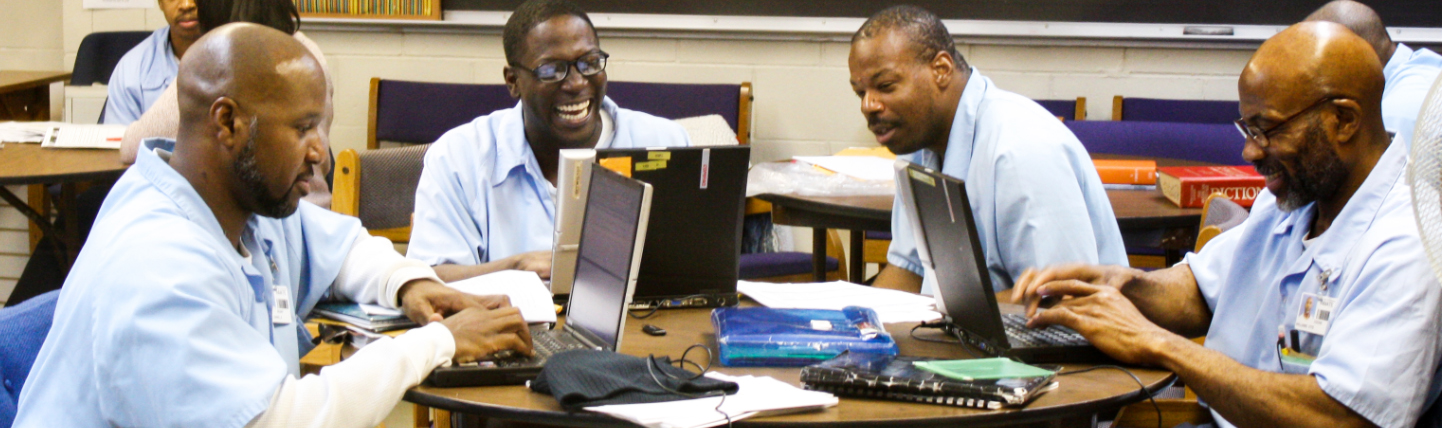
EJP, a unit of the College of Education at the University of Illinois Urbana-Champaign, is a comprehensive college-in-prison program. Since 2008, our members have participated in for-credit courses and extracurricular programming at Danville Correctional Center.
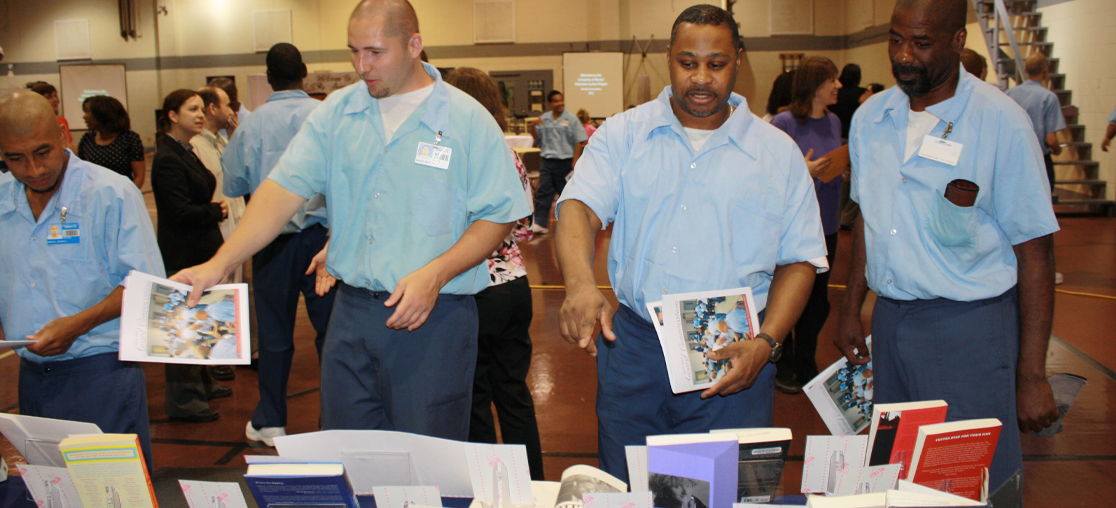
EJP also publishes reentry guides, produces resources, and hosts community events. We provide academic scholarships to individuals impacted by incarceration in the U.S. and Mexico, and we are working on a reentry guide for the nation of Uganda. EJP is a founding member of the Illinois Coalition for Higher Education in Prison. In recent years, we have been exploring what it means to pursue our work from an abolitionist orientation.
We invite you to join us.